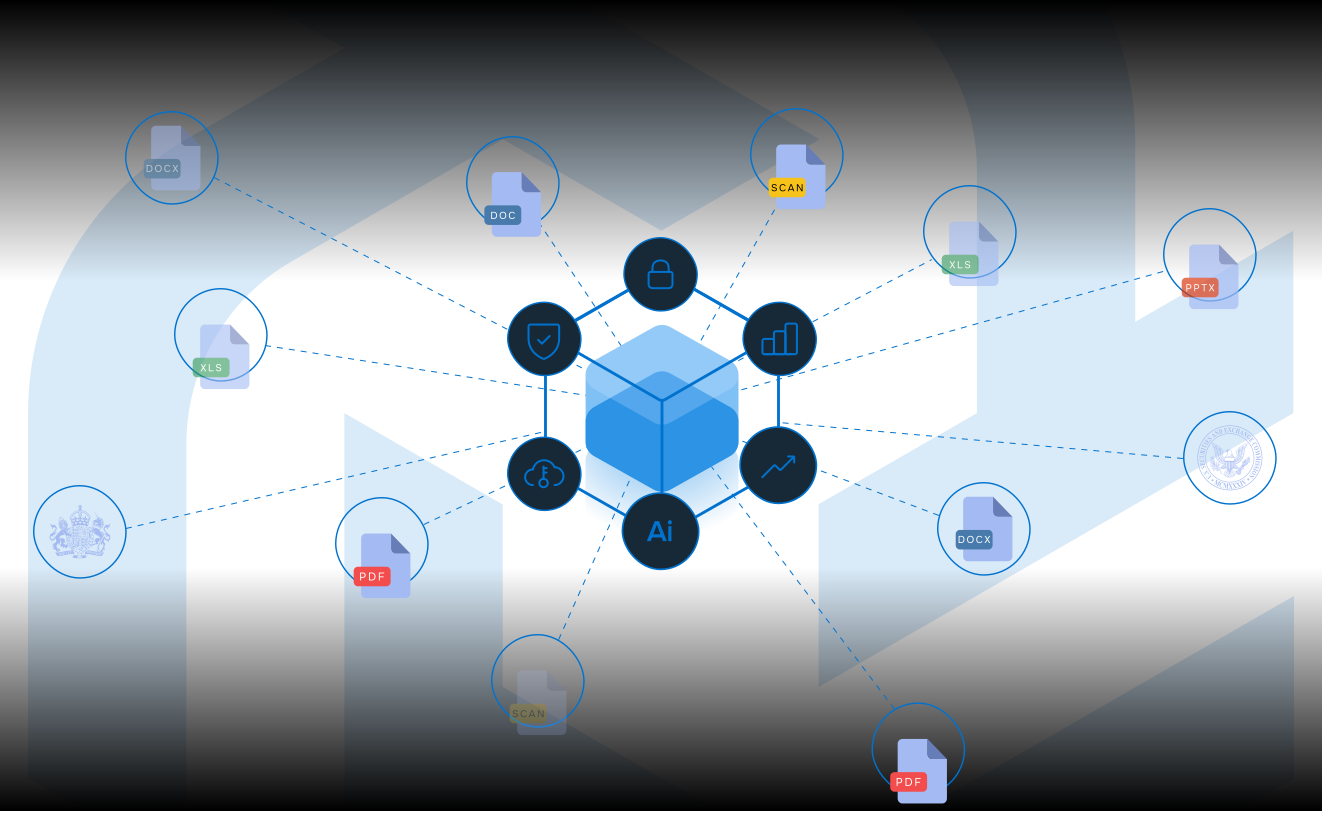
Infer properties from Vault data
TextMine reads validated Vault evidence and extracted facts, then proposes property values for each record with confidence and provenance.

Define the schema your business needs, then let TextMine infer record properties from Vault evidence, extracted data, and source-linked review signals.
TextMine reads validated Vault evidence and extracted facts, then proposes property values for each record with confidence and provenance.
Define record types, required fields, match keys, and property types so the system creates business records in the shape your operations expect.
Route property updates, replacements, and gaps through review queues so teams approve AI-inferred records before activation.
Keep durable, evidence-linked records ready for workflows, APIs, reporting, CRMs, ERPs, compliance systems, and enterprise agents.
Records in action
TextMine creates durable business records from the evidence already extracted in Vault. Teams define the schema, and the system infers properties, relationships, gaps, and review updates from source-linked document data.
Schema-driven records
Load a user-defined schema and TextMine proposes records, property values, confidence, links, and gaps from extracted Vault data.
Review queue
Review proposed replacements, missing values, and changed properties before AI-inferred updates become active records.
User-defined schema
Define record types, required fields, match keys, and property types so inferred records match the operational system they feed.
Records
Create durable records from reviewed evidence, inferred properties, source links, confidence, and approval state.
Define schema-controlled facts that can be reused across reporting, analytics, and downstream systems.
Keep reviewed document outcomes consistent across queues, handoffs, dashboards, and exception workflows.
Sync governed facts into CRMs, ERPs, reporting layers, workflow tools, and agent contexts.
Model parties, obligations, identifiers, dates, renewal terms, owners, and review outcomes.
Infer values from Vault evidence and extracted facts with confidence, source links, and gap detection.
Send uncertain values, missing sources, and material changes to humans before records become operational.
Expose reviewed records to workflows, integrations, APIs, reporting, and enterprise agents.